Source Egg Pan for Home Kitchen, Stewing, and Boiling
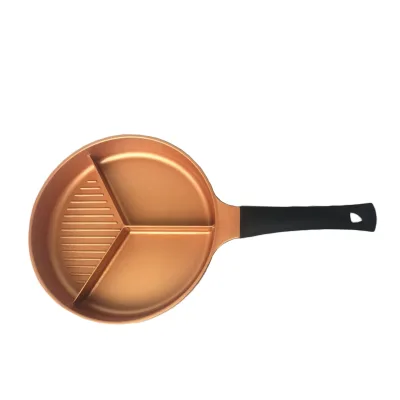
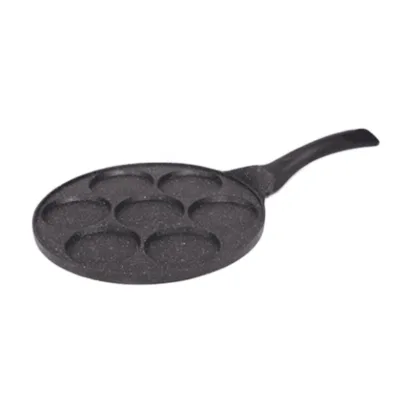
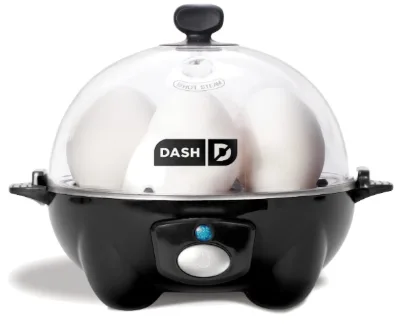
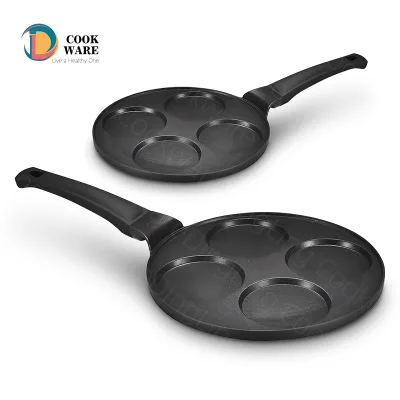
Find 30 egg pan options featuring non-stick coatings and various materials like aluminum alloy and carbon steel. Buyers can compare specifications including size, handle types, and stove compatibility for home cooking and commercial use.
Key considerations
Products List







Comprehensive Sourcing Guide
Strategic Sourcing Guide for Egg Pans in the Global B2B Market
The global market for egg pans, often categorized under specialized frying pans and skillets, presents a distinct opportunity for B2B buyers seeking high-volume procurement solutions. Unlike general-purpose cookware, egg pans require specific design attributes to ensure optimal performance for their intended application. Based on current market observations, the sector is characterized by a diverse range of materials, from aluminum alloys to carbon steel and silicone, with price points ranging significantly from $0.32 to $12.00 USD. Successful sourcing in this category demands a rigorous understanding of technical specifications, certification requirements, and the nuances of customization. This guide provides a structured approach to navigating the supply chain, ensuring that procurement decisions are grounded in verified facts and industry standards.
Technical Specifications and Material Composition
When evaluating egg pans, the primary technical differentiator lies in the material composition and coating technology. The observed market data indicates a strong prevalence of aluminum and aluminum alloy materials, often selected for their superior thermal conductivity and lightweight nature. For instance, specific product models in the current inventory utilize aluminum alloy bodies, which are essential for the "fast heating" attribute frequently cited in product descriptions. This material choice directly impacts the cooking efficiency, allowing for rapid temperature adjustments necessary for delicate egg preparations.
The surface treatment is equally critical. The majority of high-performing egg pans in the current dataset feature a non-stick coating, often described as having a "golden finish" or "colorful coating." This process is not merely aesthetic; it is a functional requirement to prevent sticking and facilitate easy cleaning, a key feature for both home and commercial kitchen environments. Buyers must verify the specific finish type, as some products are explicitly marked with "Non Stick" finish types, while others may rely on the inherent properties of carbon steel or silicone.
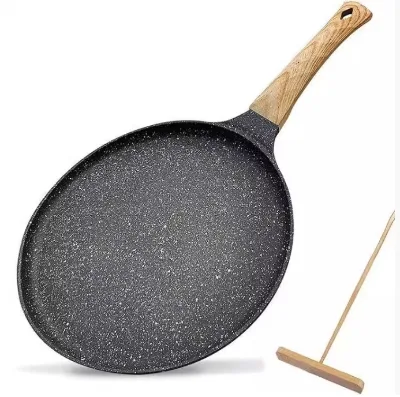
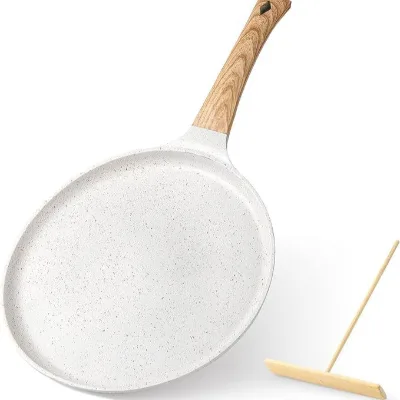
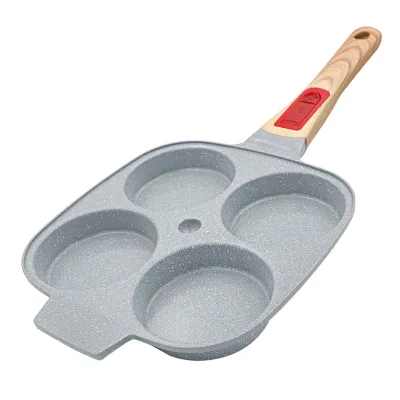
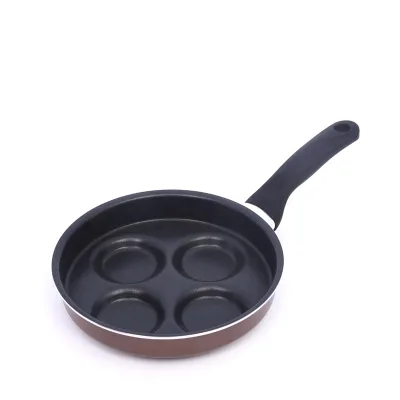
Dimensions vary significantly based on the target application. Observed size ranges span from 18-21 cm to larger formats up to 26-29 cm, with some specialized sets adhering to specific standard dimensions like 11 inches by 11 inches. The handle design is another crucial specification; while many units feature a single handle made of bakelite for heat resistance, others are designed with double ear handles for stability during transport or serving. The presence or absence of a cover is a decisive factor; the current market data shows a split between pans sold without covers and those paired with glass covers, which may be required for specific stewing or boiling applications.
Compliance and Certification Verification
In the B2B sector, regulatory compliance is non-negotiable. The egg pan market is heavily regulated due to direct food contact requirements. Buyers must prioritize suppliers who can provide valid certifications. The observed data highlights a robust presence of CE/EU certification, indicating compliance with European safety standards. Additionally, LFGB (German Food and Feed Code) and FDA certifications are frequently cited, ensuring that the materials used, particularly the non-stick coatings and handle materials, do not leach harmful substances into food.
Some suppliers in the dataset list a comprehensive suite of certifications, including ISO and CB standards, which suggests a higher level of quality assurance and manufacturing maturity. For buyers targeting the North American market, FDA compliance is essential, while European buyers should insist on CE and LFGB documentation. It is vital to note that not every product listed in a general catalog will possess all certifications; verification must be done on a per-SKU basis. The "Certification" attribute in product listings should be treated as a claim that requires documentary proof before finalizing a purchase order.
Cost Drivers and Pricing Dynamics
The pricing structure for egg pans is influenced by a complex interplay of material costs, manufacturing processes, and customization levels. The observed price range of $0.32 to $12.00 USD reflects the vast diversity in the product category. The lower end of the spectrum typically corresponds to basic aluminum or carbon steel units with standard packaging and minimal customization. In contrast, the higher price points are associated with premium features such as double ear handles, glass covers, specialized coatings like the "golden finish," and complete set configurations.
Material costs are a primary driver. Aluminum alloy and carbon steel are generally more expensive than basic aluminum, contributing to a higher unit cost. Furthermore, the complexity of the manufacturing process, such as the application of multi-layer non-stick coatings or the molding of bakelite handles, adds to the production expense. Customization is another significant cost factor. The availability of "Customized Logo" and "OEM" services allows buyers to brand products, but this often incurs additional tooling and setup fees.
The Minimum Order Quantity (MOQ) also impacts the effective cost per unit. The observed MOQ range spans from 2 to 1000 units. High-volume buyers can leverage economies of scale to negotiate prices closer to the lower end of the observed range, while smaller buyers may face higher per-unit costs due to the fixed costs of setup and production runs. Packaging is another variable; options range from simple brown boxes to color boxes and customized cartons, each adding a different layer of cost to the final landed price.
Typical Applications and Usage Scenarios
Understanding the application context is essential for selecting the right product. The primary application for egg pans is home kitchen cooking, specifically for frying, boiling, and stewing. The "All Purpose" stove compatibility observed in the data indicates that many modern egg pans are designed to work across induction cookers, gas stoves, and electric stoves. This versatility is a major selling point for retailers targeting a broad consumer base.
However, specific models are tailored for more specialized uses. For example, pans with a "D2307805" model number or those featuring "Silicone" materials are often categorized under bakeware sets, suggesting they may be used for baking or oven-safe applications. The "Oven Safe" feature, noted in specific listings, expands the utility of these pans beyond stovetop cooking. Buyers should carefully match the product's stove compatibility and temperature limits to their target market's cooking habits.
The "Durable" and "Fast Heating" attributes are particularly relevant for commercial kitchens or high-volume food service operations where efficiency and longevity are paramount. In contrast, the "Easy Cleaning" feature is a strong value proposition for the residential market, where convenience is a key purchasing driver. The "Transparent" attribute is generally absent in these products, as most egg pans are opaque to retain heat and provide a uniform cooking surface, though glass covers are available for specific models.
Supplier Evaluation and Customization Capabilities
Evaluating suppliers requires a focus on their ability to meet specific customization and quality standards. The market data confirms that customization is "Available" across the sector, with many suppliers accepting OEM requests and offering customized logos. This flexibility is crucial for private label buyers who wish to differentiate their product lines. However, buyers must verify the supplier's capacity to handle these requests without compromising the integrity of the non-stick coating or the structural stability of the handles.
The origin of the products is predominantly China, a major manufacturing hub for cookware. Buyers should assess the supplier's logistics capabilities, including their experience with "Color Box" and "Customized Carton" packaging. The "Complete 12-Piece Set" packaging option suggests that some suppliers are equipped to handle complex assembly and bundling, which can streamline the supply chain for buyers looking to offer comprehensive kitchen sets.
When evaluating a supplier, buyers should request samples to verify the "Handle Material" (e.g., Bakelite) and the quality of the "Surface" finish. The "Double Ear Handles" design, for instance, requires precise engineering to ensure balance and safety. Additionally, the "Item Weight" and "Item Quantity" specifications should be cross-referenced with the supplier's actual output to ensure consistency. A supplier that can consistently deliver products matching the "Standard" dimensions, such as 7.3*7.3 or 8.7 x 11.6 x 1.1 inches, demonstrates a high level of manufacturing precision.
Quality Control and Long-Term Procurement Considerations
Quality control in the egg pan sector must address both functional performance and safety. The "Non-stick" feature is a critical quality metric; buyers should verify that the coating adheres properly and does not peel or degrade under normal use conditions. The "Is Dishwasher Safe" attribute varies, with some products marked as "No" and others as "Yes." This distinction is vital for inventory planning and consumer instructions. Buyers must ensure that the product specifications align with the intended usage environment; for example, a commercial kitchen may require dishwasher-safe units, whereas a premium home line might prioritize hand-wash durability.
Long-term procurement considerations include the stability of the supply chain and the consistency of the "Certification" status. As regulations evolve, suppliers must remain compliant with updated standards. The "prod_standard" field, which varies from specific dimensions to "depends" on the model, highlights the need for clear communication regarding product specifications. Buyers should establish a protocol for regular quality audits, focusing on the "Surface" finish, "Handle" attachment, and "Material" integrity.
Furthermore, the "Packaging" quality is a long-term consideration. Damage during transit can lead to returns and reputational damage. The "Brown Box" and "Color Box" options should be evaluated for their protective capabilities. Finally, buyers should consider the "Lead Time" and "MOQ" flexibility when planning their inventory. A supplier that can accommodate fluctuating order volumes while maintaining the "Customized Logo" capability will be a more valuable long-term partner. By adhering to these rigorous evaluation criteria, buyers can secure a reliable supply of high-quality egg pans that meet the demands of the global market.
FAQs
What certifications are available for egg pans?
Available certifications include CE/EU, LFGB, FDA, ISO, and CB. Buyers must verify specific product models for these documents as not every listing contains all certifications. Compliance is essential for food safety in European and North American markets.
Which materials are used for egg pan bodies?
Common materials include aluminum alloy, carbon steel, and silicone. Aluminum alloy is frequently selected for fast heating properties, while carbon steel offers durability. The material choice directly impacts thermal conductivity and overall cooking performance.
Can egg pans be customized with logos?
Yes, customization is available including customized logos and OEM services. Buyers can request specific branding, though this may affect the minimum order quantity and pricing. Customization options allow for private label differentiation in the market.
What stove types are compatible with these pans?
Most models support induction cookers, gas stoves, and electric stoves. Some units are marked as all-purpose for versatile use across different kitchen appliances. Buyers should check specific product attributes to ensure compatibility with their target stove types.
Are these egg pans dishwasher safe?
Dishwasher safety varies by product, with some marked as no and others as yes. Non-stick coatings often require hand washing to preserve the finish. Buyers must verify the specific attribute for each model before recommending them for commercial dishwashing.
What is the typical price range for egg pans?
The observed price range spans from 0.32 to 12 USD per unit. Costs depend on materials like aluminum alloy, coatings, and packaging types. Volume orders can influence the final unit price within this observed spectrum.
How do handle designs differ across models?
Handle designs include single handles made of bakelite and double ear handles. Bakelite provides heat resistance, while double ears offer stability during transport. The design choice affects user safety and handling convenience during cooking.